


Coffee that took the long way.
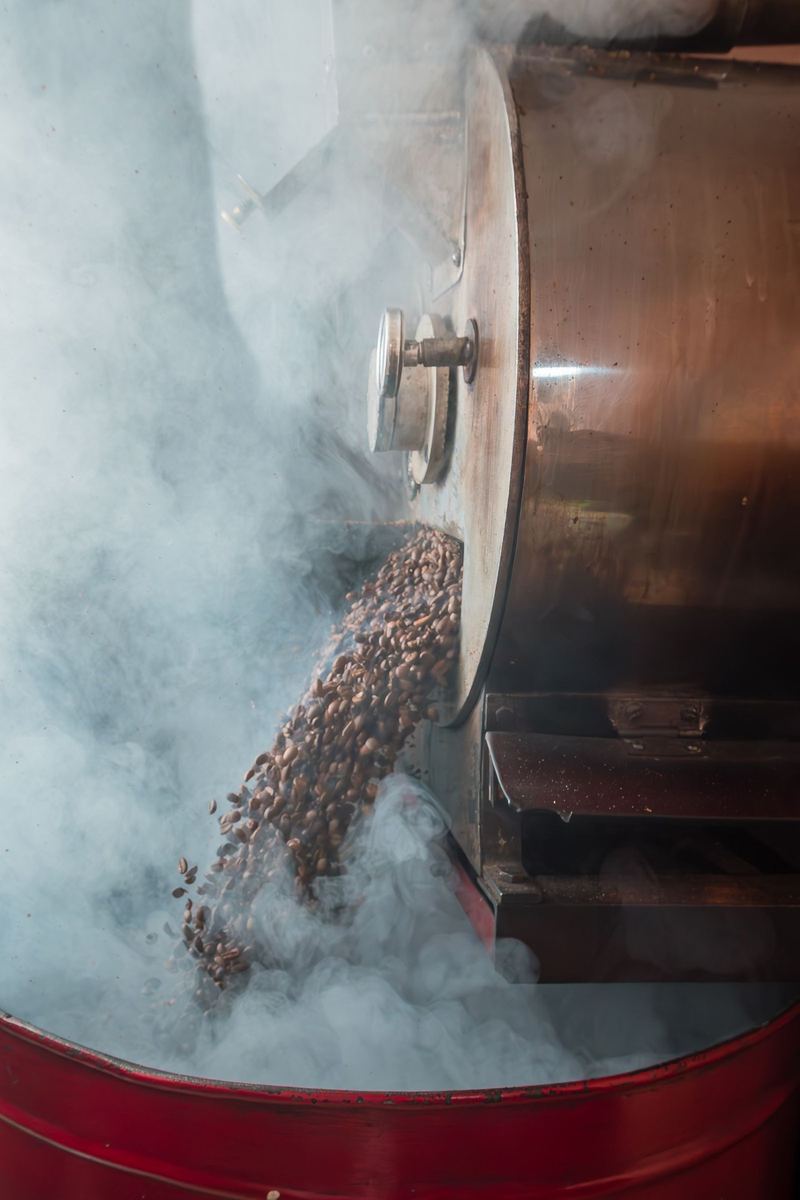
Scene 2 · Scroll the roast
Where do you land?
Slide the line.
Find the roast that tastes like your morning.
Your cup
Medium
Sweet, nutty and easy to drink. A friendly all-rounder.
Lovely with milk · [tasting notes]
Scene 3 · Pick it up
Pick one up.
Tap a bag to put it in the light.
Scene 3 · Turn it round
Turn it all
the way round.
Drag the bag to turn it. Everything printed on it can be read as it passes.
Scene 3 · Cut it open
A slice through the bag.
Tap a layer to read what it does.
A strong plastic film, often PET, carries the ink and gives the bag its strength.
Our film: [placeholder]A thin layer, often aluminium or a plastic called EVOH, keeps out light, oxygen and moisture. These make roasted coffee go stale.
Polyethylene on the inside melts under heat, so the bag seals shut.
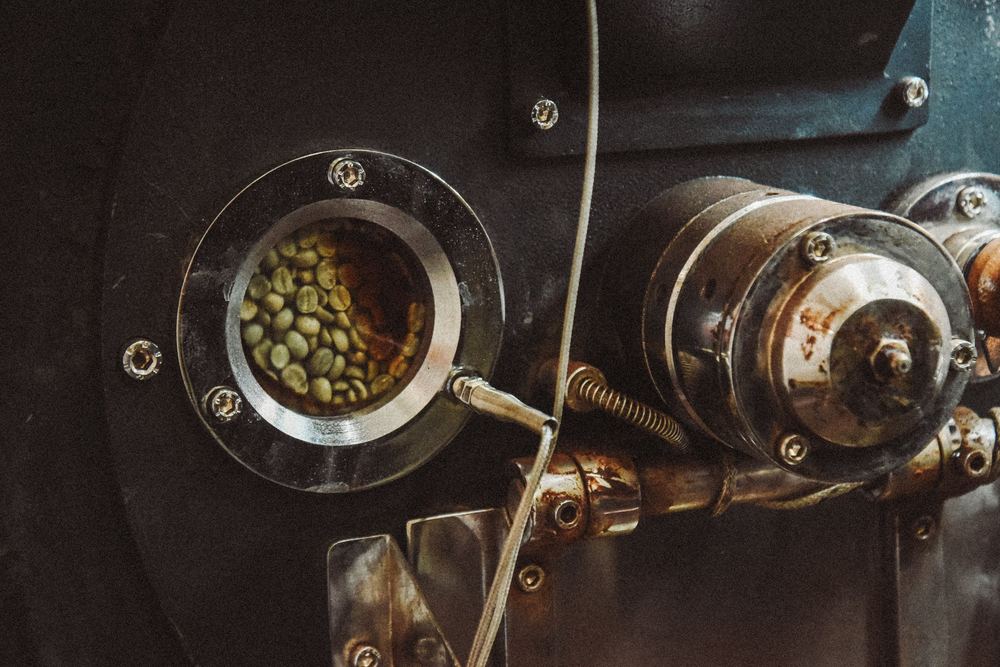
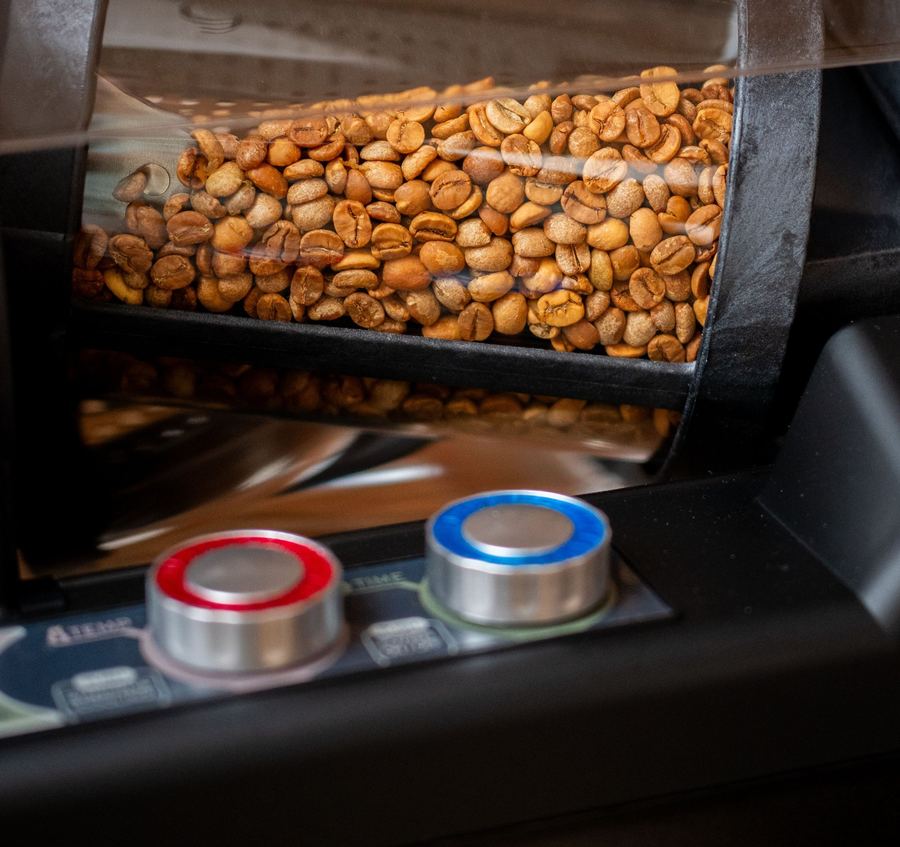
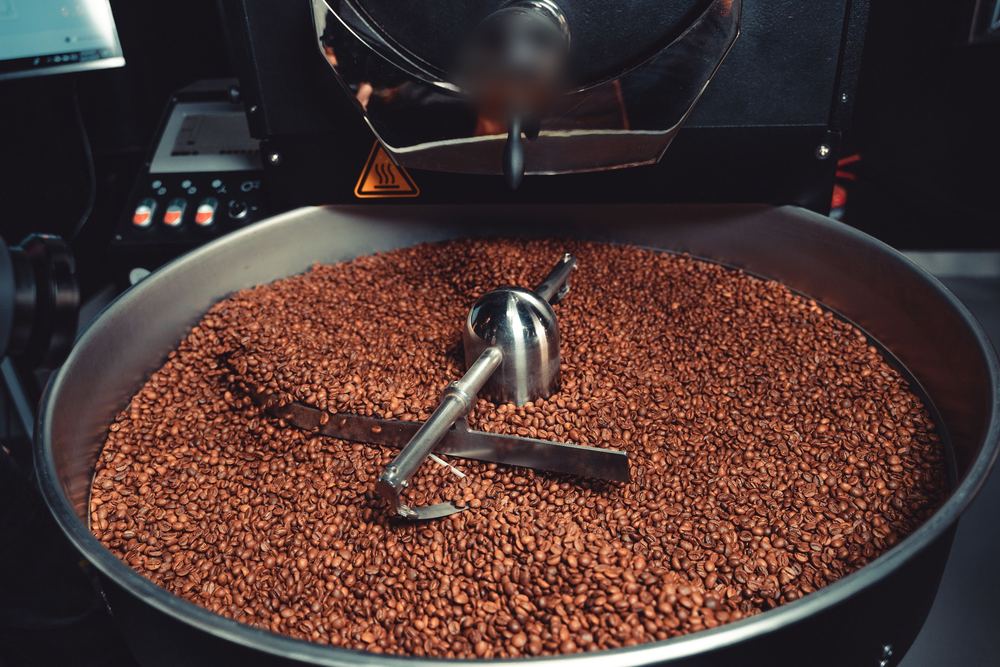
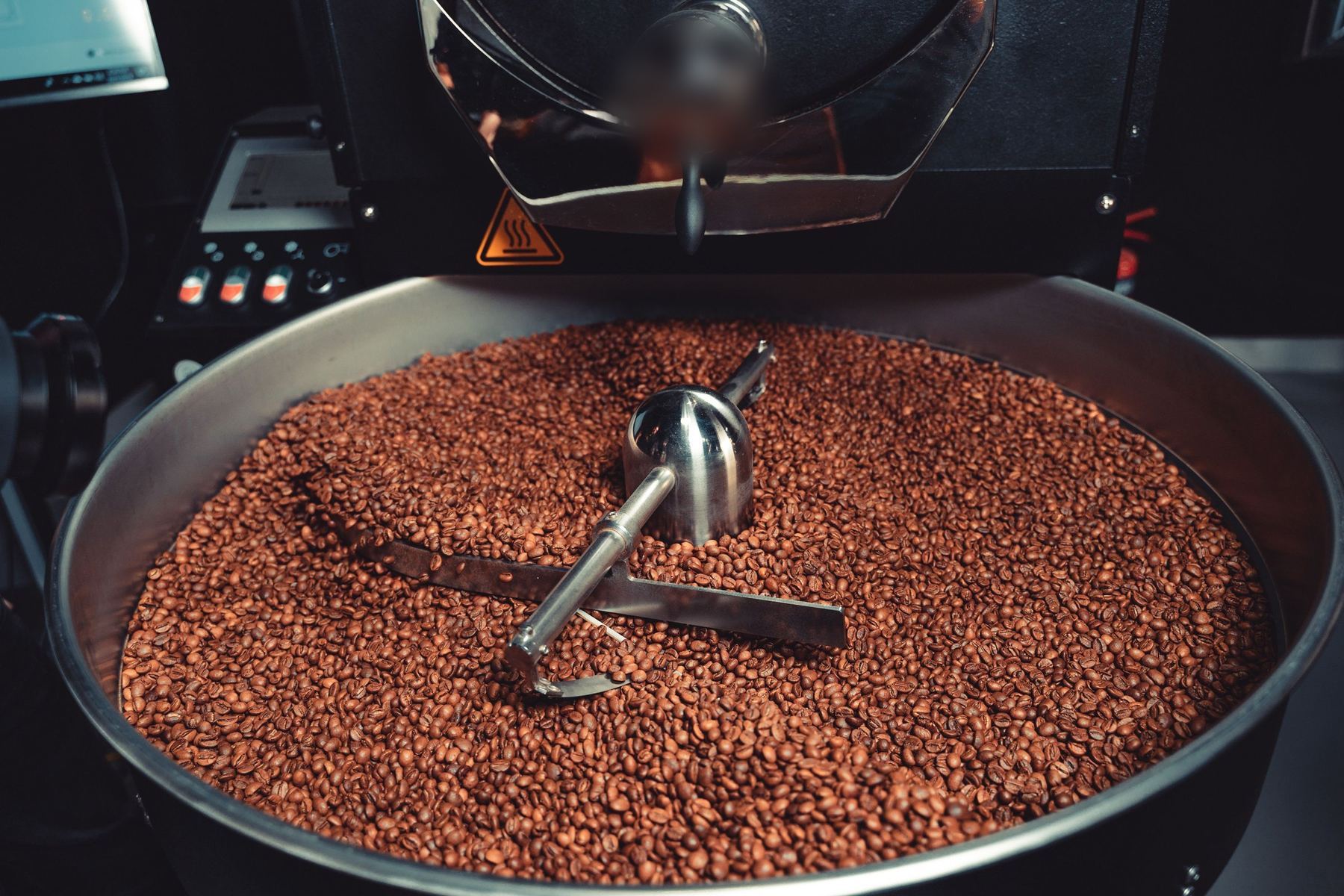
Around 205 °C the water inside turns to steam and cracks them open. Light roasts stop about here. By the end of a roast, beans have lost roughly 15 to 20% of their weight.
Our roast time and rest days: [placeholders]Roasted beans keep letting out CO₂ for days. The valve lets the gas out and keeps air from getting in, so the bag does not balloon.
The bean grows inside skin, pulp, a papery parchment and a silver skin. A fresh cherry is about 65% water. The green bean is dried to 10 to 12%, and drying can take up to four weeks.
Our farm and process: [placeholder]General coffee facts from TechnoServe, IFT Food Technology, ACS Reactions, Britannica, America’s Test Kitchen and packaging research (CREDITS.md). Details about our own bag are [placeholders].
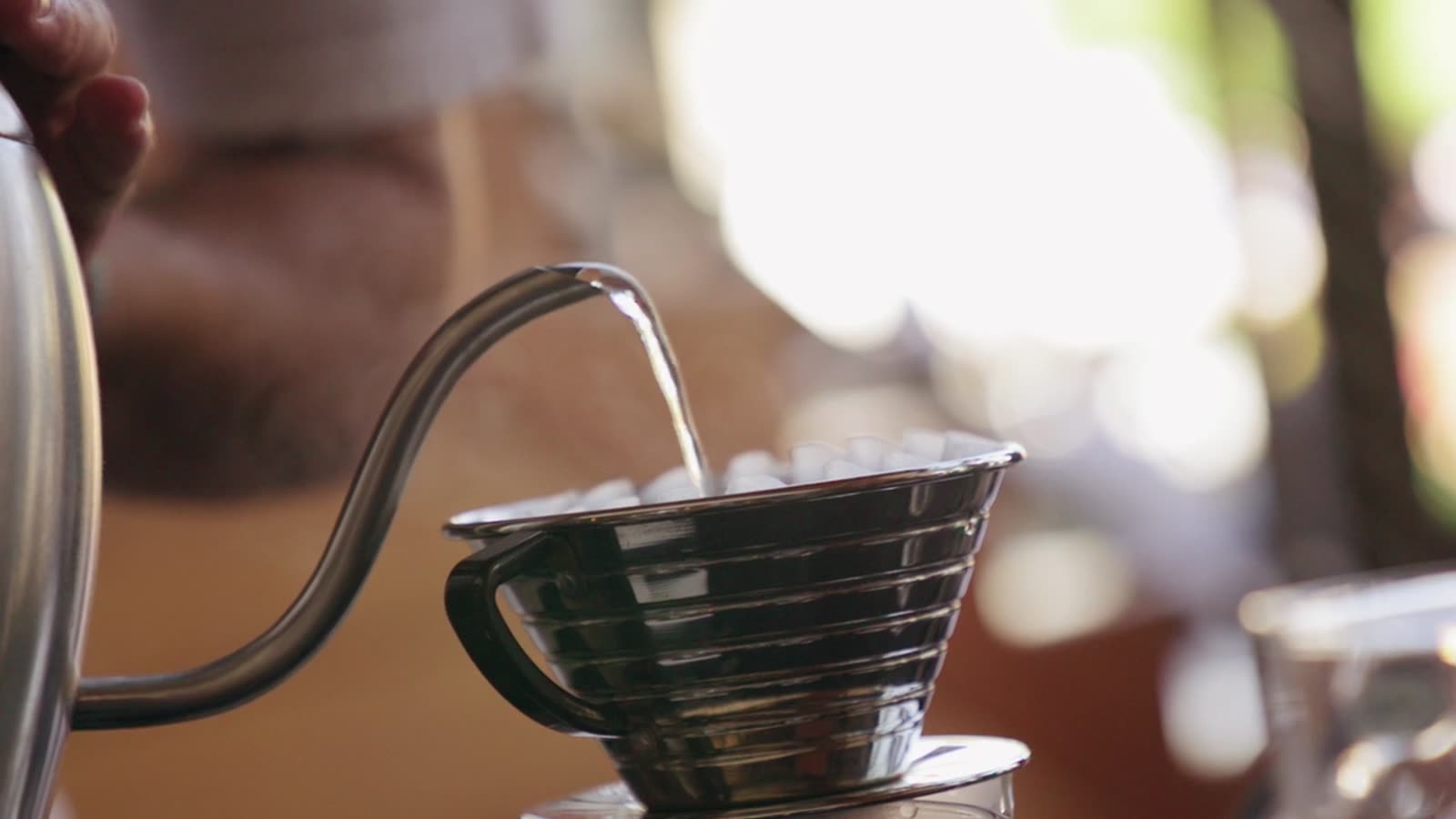
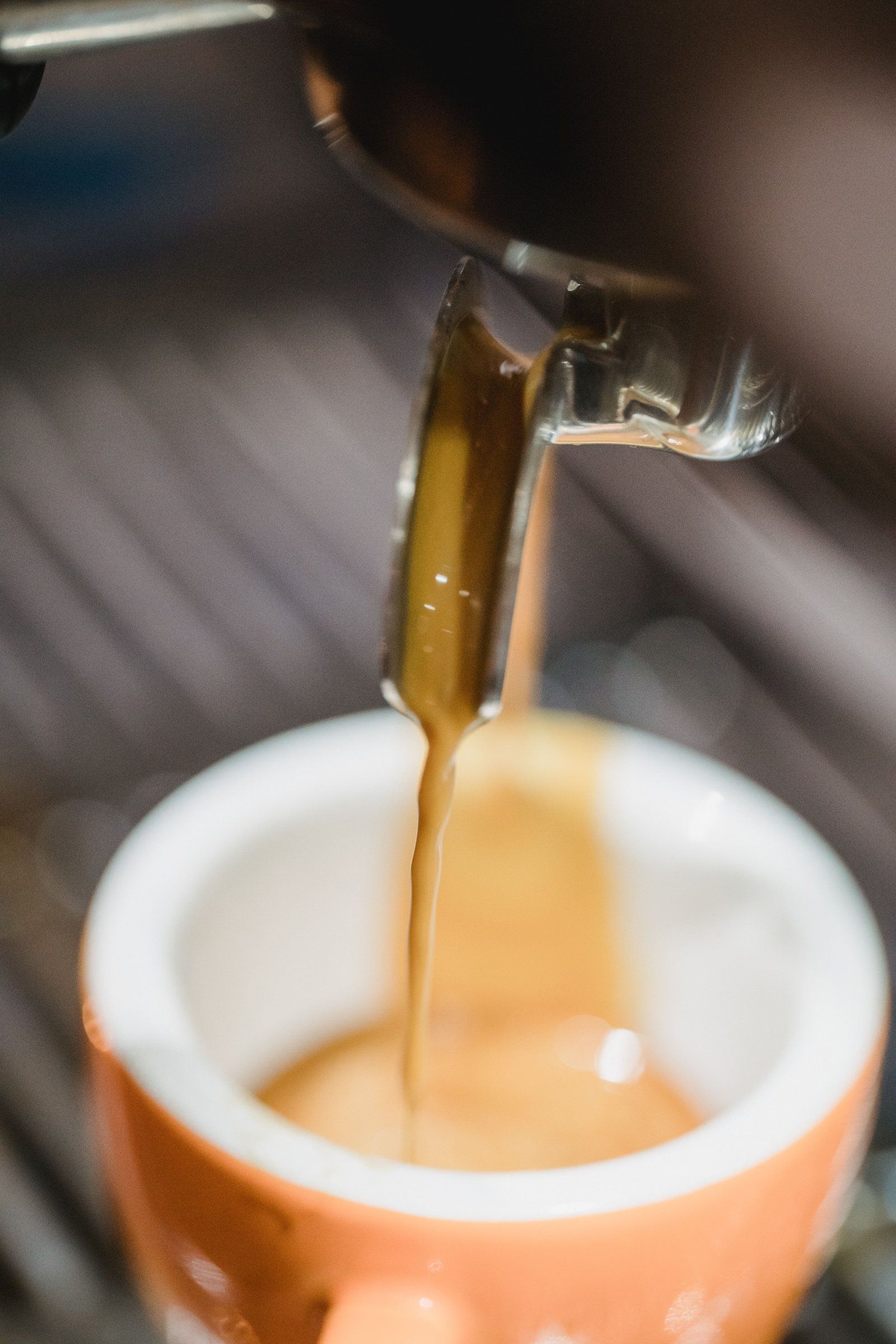
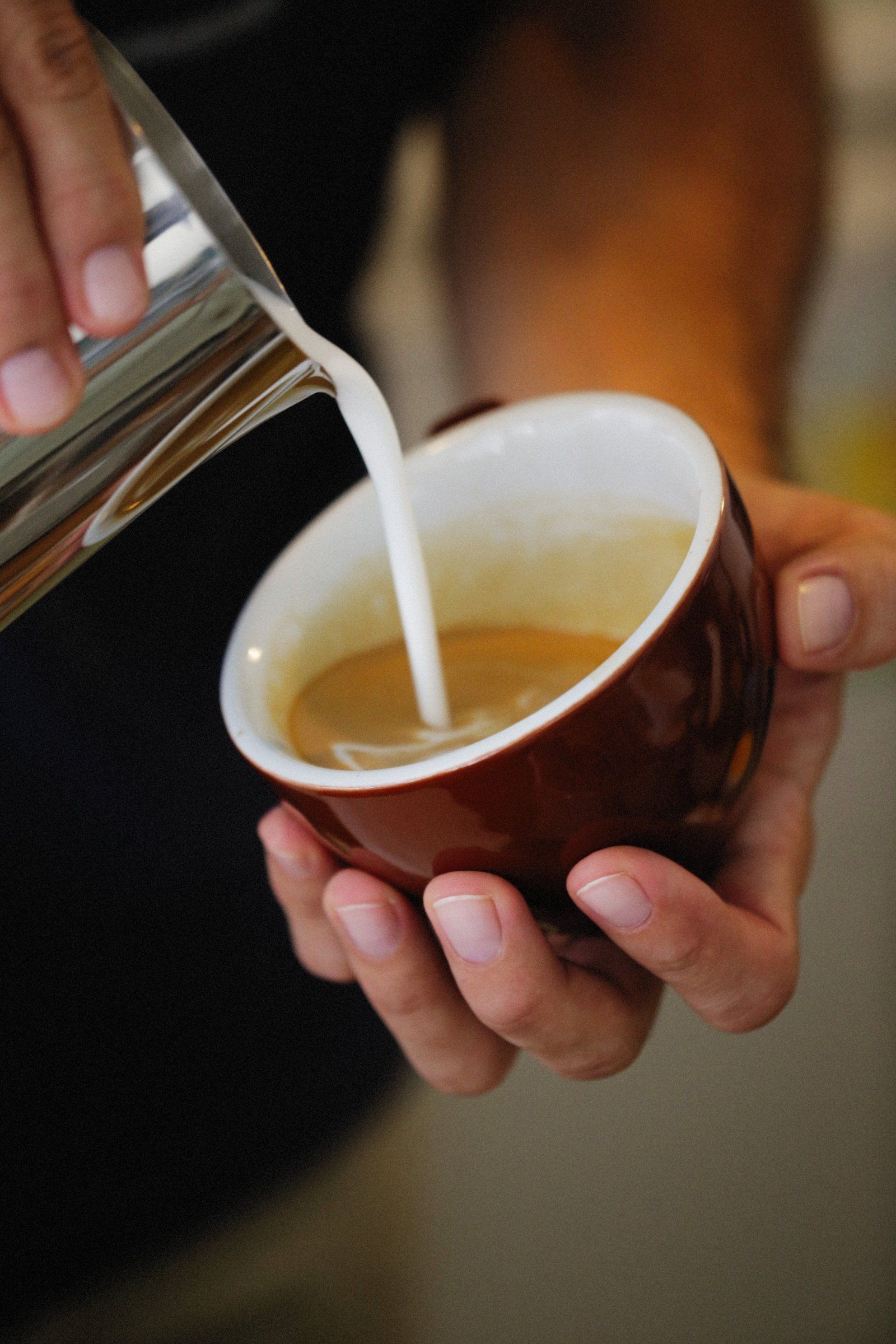
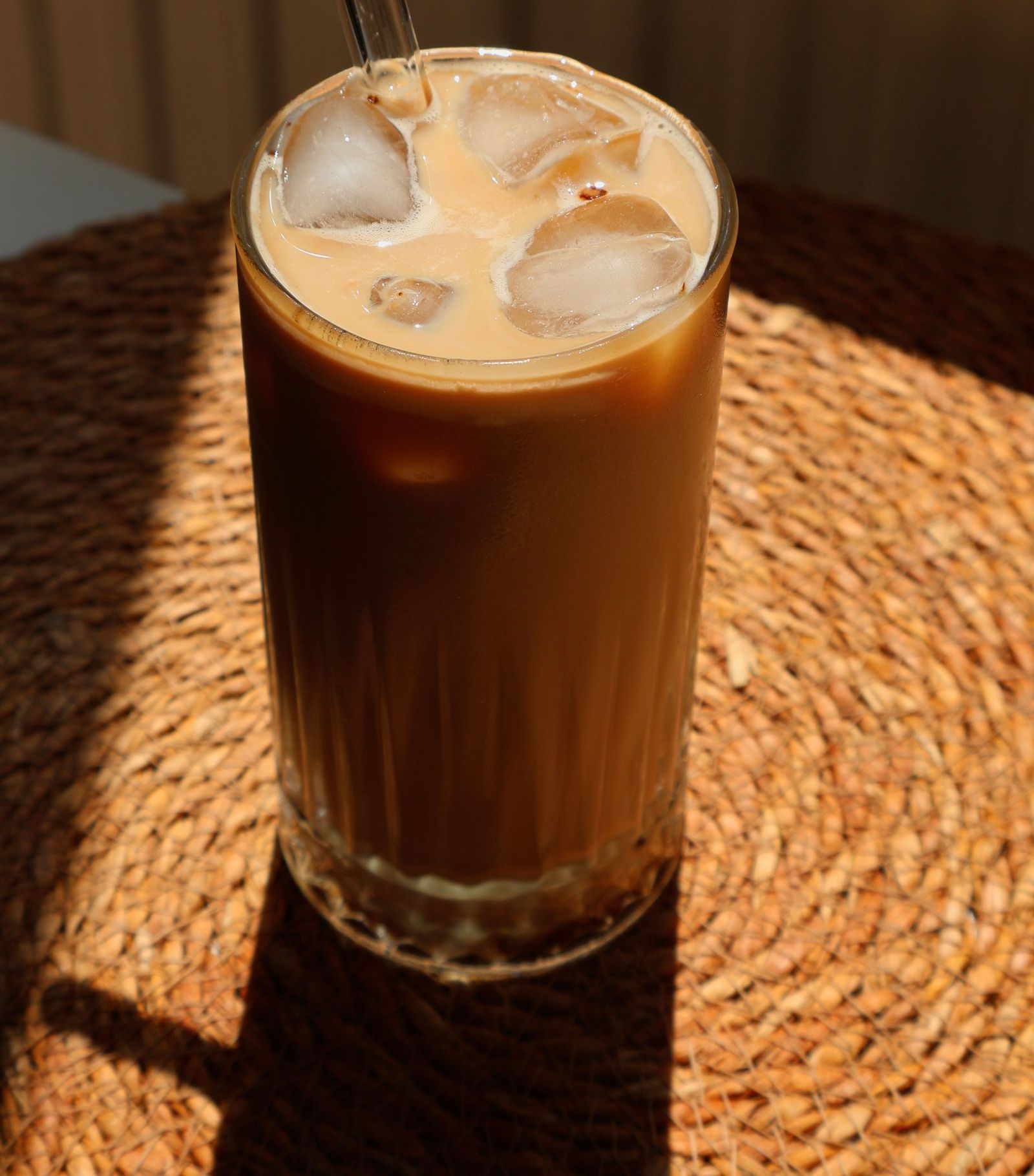
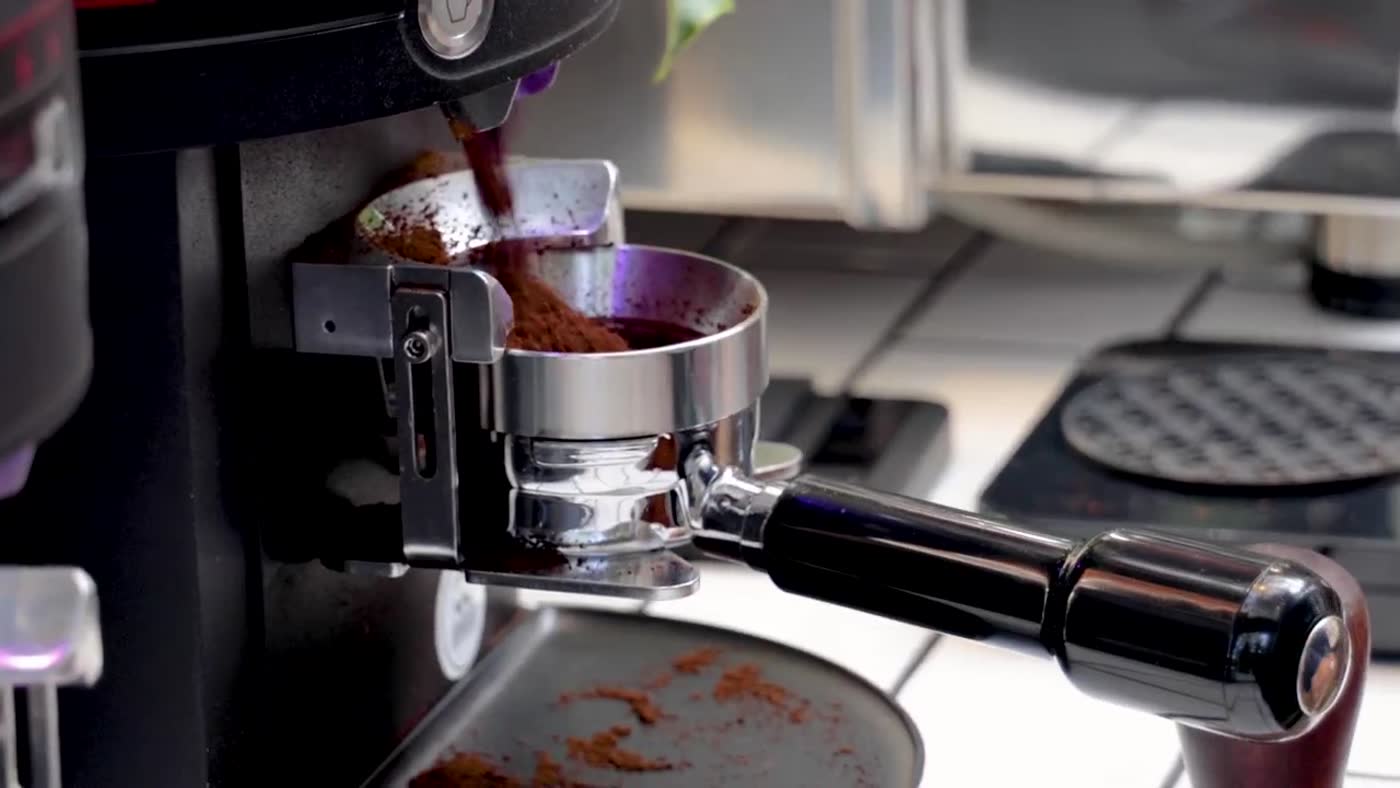
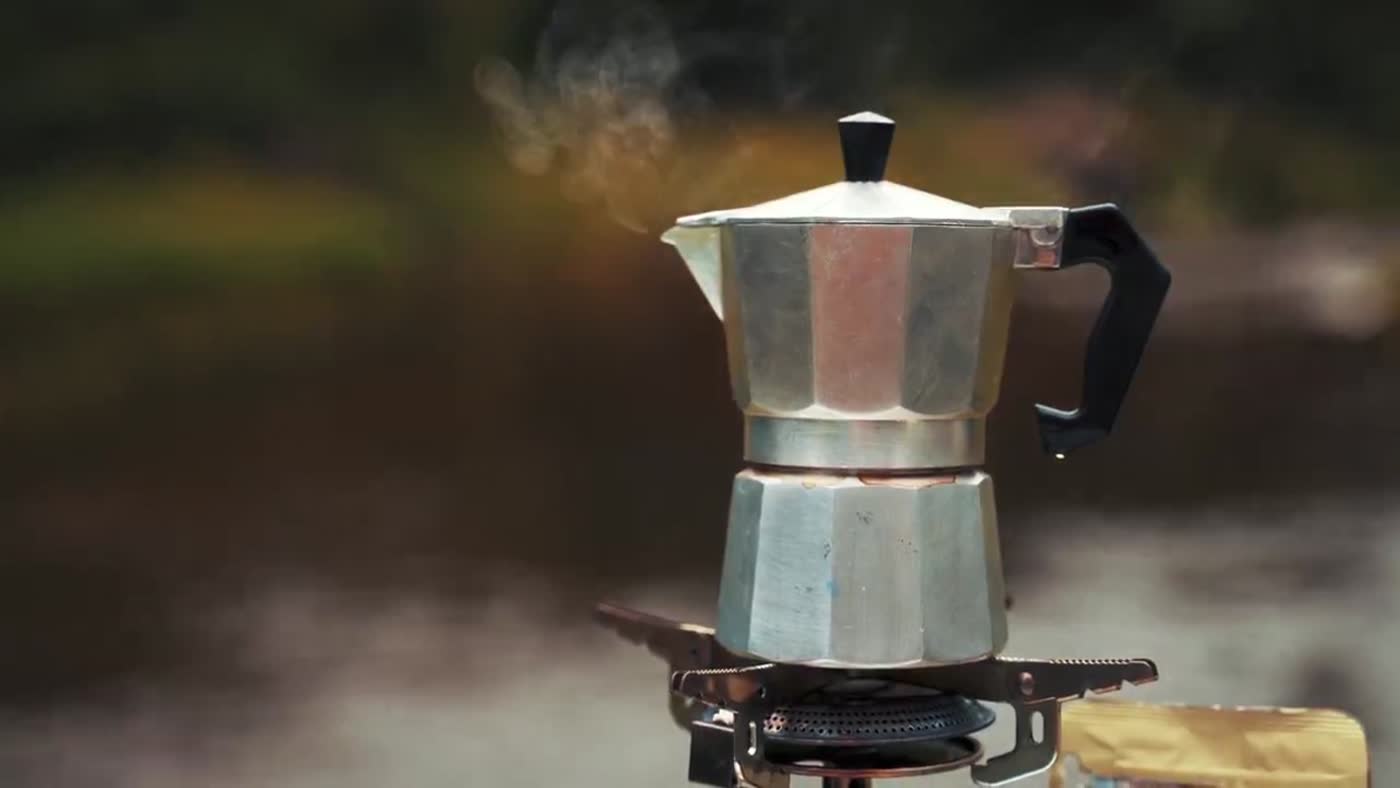
Scene 4 · The pour and the cup
How do you take it?
Milk coffee
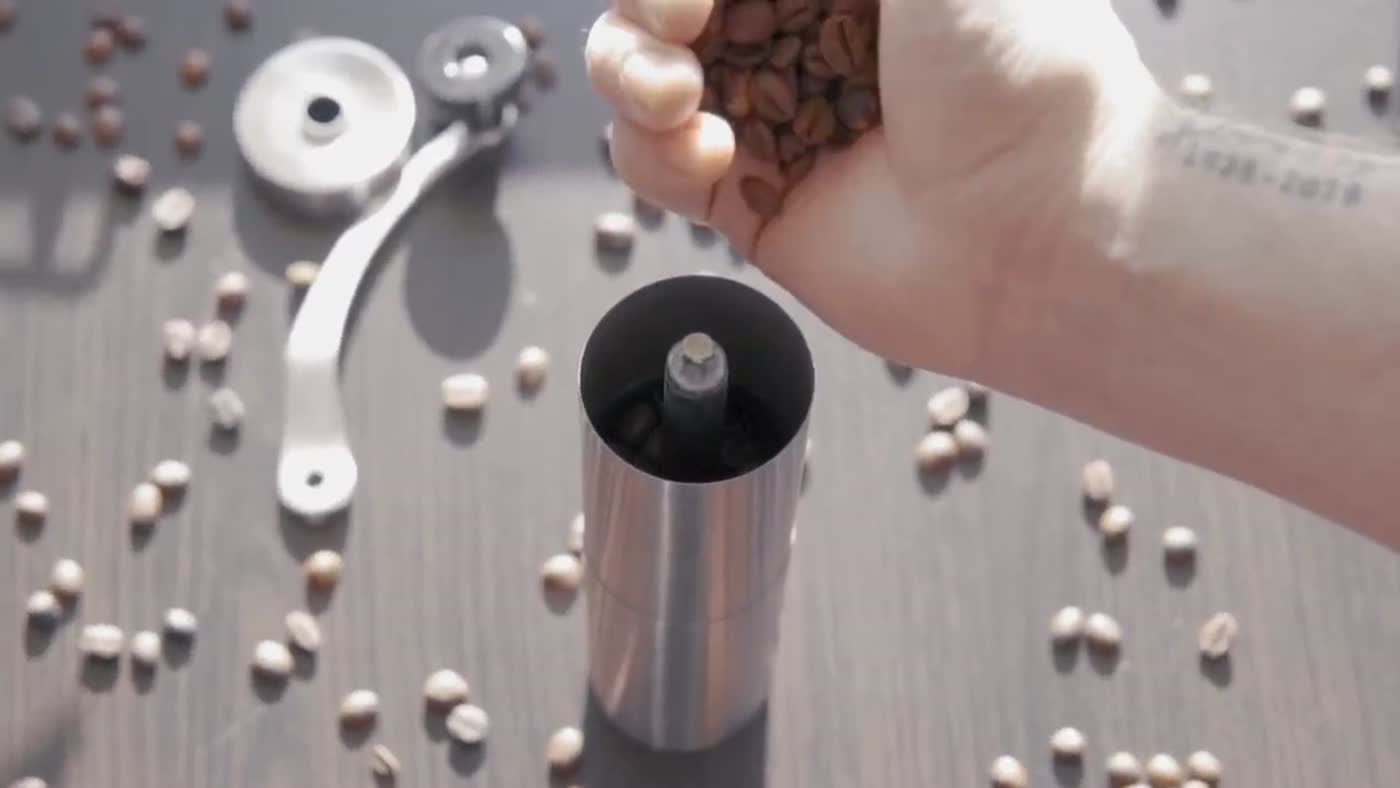
Whole bean = you grind it at home · Fine = espresso machines · Medium-fine = moka pots · Medium = filter coffee
[concept · nothing is brewed or sold]
Scene 5
The route from farm to cup. Coming next.